 New
New
Accessories
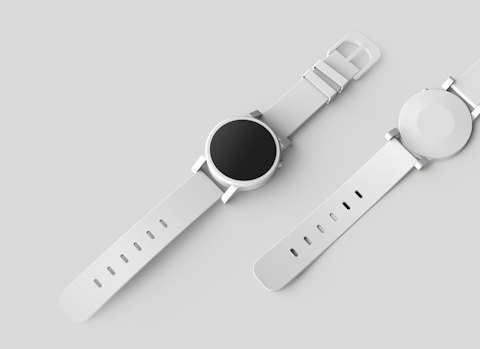
Minimalist Watch
A clean, everyday timepiece with a leather strap and sapphire crystal glass.
New
Accessories
A clean, everyday timepiece with a leather strap and sapphire crystal glass.
 Best Seller
Electronics
Premium noise-cancelling headphones with 30-hour battery life and rich bass.
 Sold Out
Footwear
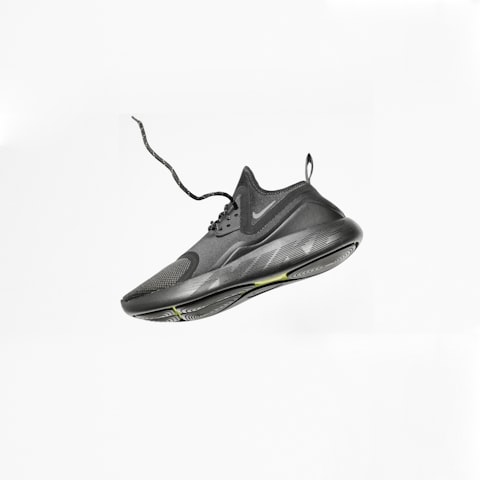
Lightweight mesh upper with responsive cushioning for long-distance comfort.
BEM stands for Block, Element, Modifier. It is a naming convention for CSS classes that makes your stylesheets easier to read, understand, and scale. Every class name follows one simple pattern:
.block__element--modifier
A Block is a standalone, reusable component. It is meaningful on its own and doesn't depend on its surroundings. Think of it as the outermost container of a UI pattern.
<article class="product-card">
  ...
</article>
product-card is the
Block. It represents the entire card component. The name uses
lowercase words joined by a single hyphen.
An Element is a part of a Block that has no meaning
on its own. It is always tied to its Block and is separated by a
double underscore
(__).
<h2 class="product-card__title">Minimalist Watch</h2>
<span class="product-card__price">$129</span>
<button class="product-card__button">Add to Cart</button>
__title,
__price, and
__button are all
Elements of the
product-card Block.
They only make sense inside a product card.
__image-wrapper,
__image,
__badge,
__body,
__category,
__title,
__description,
__footer,
__price,
__button
A Modifier changes the appearance or behavior of a
Block or Element. It is separated by a
double hyphen
(--) and is
always used alongside the base class, never alone.
<article class="product-card product-card--featured">
--featured adds a
gold border to the card. Notice it sits next to the base
product-card
class—never replaces it.
<span class="product-card__badge product-card__badge--highlight">
  Best Seller
</span>
__badge--highlight
changes the badge background to gold. Modifiers can apply to
Elements too, not only Blocks.
product-card
Block — the standalone component
product-card__title
Element — a child part of the block (__)
product-card--featured
Modifier — a variation of the block (--)